ArcelorMittal South Africa gets more protection.
The International Trade Administration Commission of South Africa (ITAC) has recommended that the general rate of customs duty on imported train rails be increased from 5% to 10% ad valorem, a move aimed at supporting domestic train rail manufacturing and strengthening South Africa’s steel value chain.
The recommendation is contained in a recent ITAC report, which considered an application by ArcelorMittal Rail and Structures (AMRAS), a division of ArcelorMittal South Africa (AMSA). AMRAS requested that the tariff on train rails be raised to the World Trade Organisation-bound rate of 10%.
One of the reasons AMRAS gave for the duty increase application was that their train rail production plant was operating at significantly low capacity and that import replacement would enable the company to reach sustainable operating levels, reduce marginal cost of production and enhance overall competitiveness.
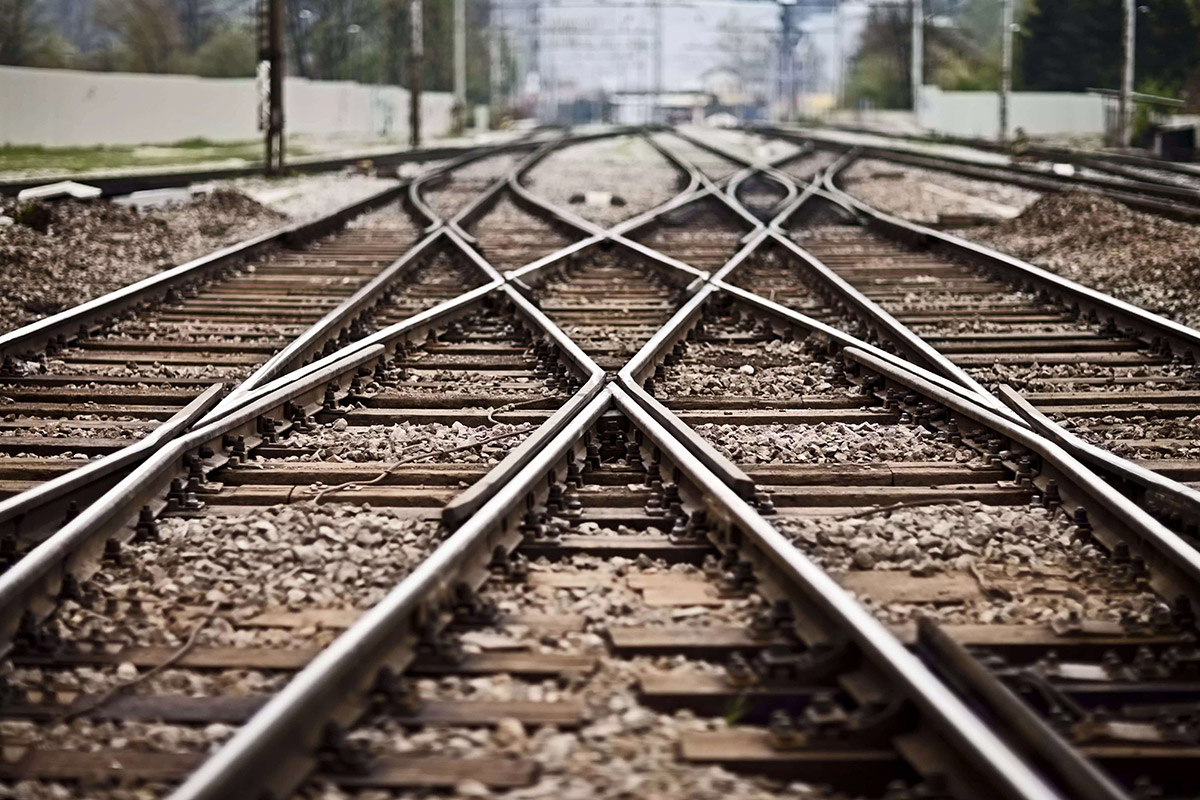
According to the ITAC report, AMRAS is the only known manufacturer of mainline train rail products in the Southern African Customs Union (SACU) region. The company operates a train rail manufacturing facility in Emalahleni, Mpumalanga, which it acquired and revived in 2022.
ITAC said rail products are critical for transportation infrastructure and are used extensively in railway networks, mining operations and industrial logistics. The commission noted that the local rail manufacturing industry faces significant challenges, including rising production costs and weak capacity utilisation.
“The continuing difficult global and domestic operating environment in the entire steel value chain is affecting investment decisions and further constraining possibilities for employment creation,” the commission said.
The report highlighted that while AMRAS has sufficient installed capacity to meet domestic demand, the plant is operating well below its potential. The company argued that greater protection against imports would help improve production volumes, lower unit costs and enhance competitiveness.
Among the motivations submitted by the applicant was the need to replace imported steel products with locally manufactured alternatives. The company said products required for railway infrastructure development can now be sourced locally, helping to stimulate economic activity and support the domestic steel industry.
