“Mention the word blade to someone and I guarantee that their mind will immediately go to the sharp, cutting part of a knife or sword. It is natural as most of us will make use of a knife probably several times a day and probably several different types of knives, whether you are eating or preparing food,” says Grant Shepherd, Managing Director of BladeMakers SA.
“There has also been great branding by some manufacturers. The Swiss Army knife, with their iconic red clasp and different tools, is a good example of this. The Swiss Army Knife was first developed in Ibach, Switzerland, in 1891 and was originally referred to as an Offiziersmesser or officer’s knife as the company had a contract to supply knives to the army.”
“You could say the same about the Leatherman although the Leatherman is referred to as a multi-tool and is like a toolbox on the go. Many Leatherman multi-tools have pliers and add on useful implements like a knife and screwdrivers,” continues Shepherd.
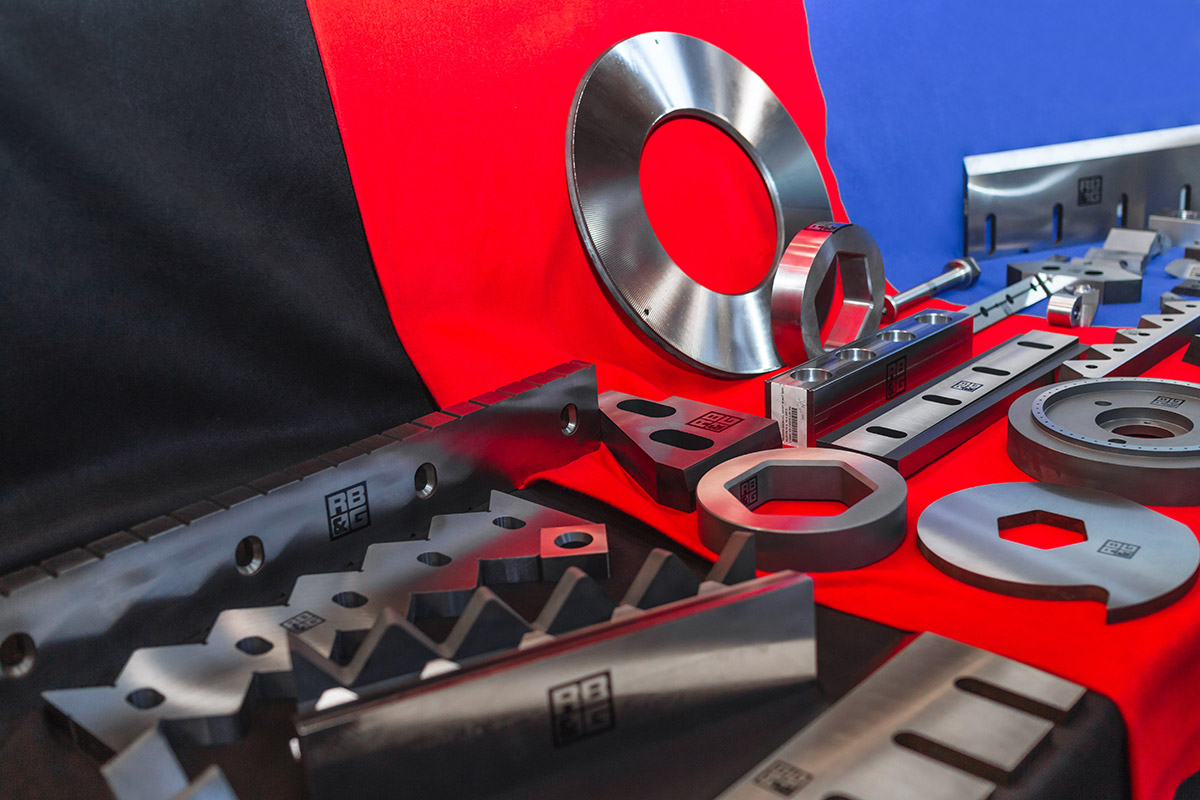
BladeMakers SA’s business is about the manufacture of industrial blades used on machines that are operational in different industries where operations require cutting of material, whether it be metal, plastic, paper or timber
“Then there are the knife collectors brigade who are passionate about their hobby. Collectors’ associations and societies abound and good prices for rare and quality knives are often the norm. Then there are many custom knifemakers who are manufacturing and supplying knives for many different reasons and in many different shapes and sizes. Of course, amongst this industry there are the knives that everyone wants. Prices are high but somehow this does not deter them especially if you think that most are displayed in their bars or their studies or are under lock and key. Generally speaking, these blades for knives are forged.”
“In the USA there are blade and knife magazines, exhibitions, shows and competitions that are big business. It must be pointed out that this industry is all about hand-held blades and knives.”
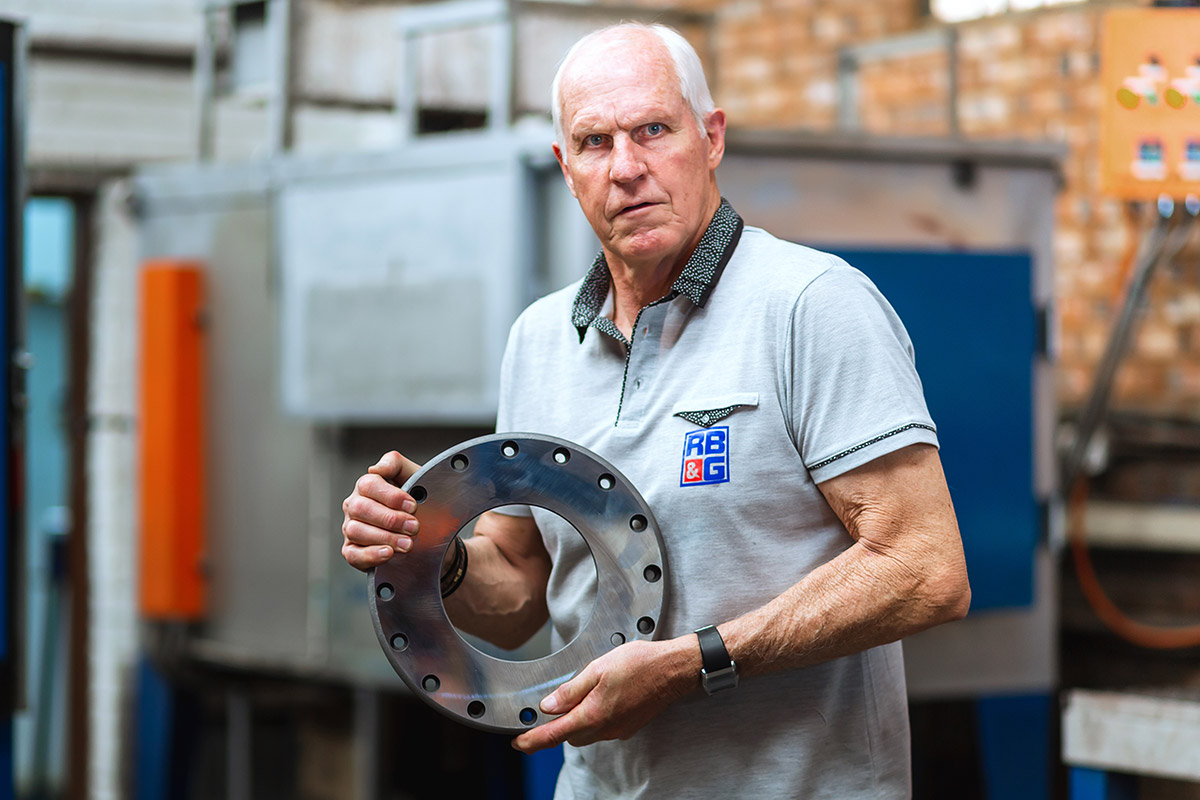
BladeMakers SA is a family business that was started by the late Rodney Shepard in 2000

BladeMakers SA is now run by Rodney’s son Grant Shephard
“BladeMakers SA’s business is about the manufacture of industrial blades used on machines that are operational in different industries where operations require cutting of material, whether it be metal, plastic, paper or timber. Industrial blades play a crucial role in industry and are essential for many manufacturing and recycling processes. But choosing the wrong blade can be a costly mistake. Your investment should be made on a blade that meets strict design and industry specifications, while being manufactured with the highest quality materials. Both of these things combined will ensure that you have a reliable blade that can keep your production line fully operational.”
“Take the scrap metal industry as an example. Industrial blades enable efficient processing and recycling of many materials collected. These blades, often made from high-alloy steels, are designed to cut and reduce various materials, including metals, textiles, and plastics, in machines like shears, shredders, and mills. The blades’ durability and ability to maintain sharp edges under intense conditions are essential for optimising production processes and maximising profitability in recycling operations.”

Blades in production
“Blade design has evolved considerably since the early days of them being introduced. But these changes were necessary to cope with modern-day production line demands and to deliver the performance and efficiency that operations need to produce and package thousands of products on an hourly basis.”
“Blades are available in different sizes, shapes, and materials for specific industrial applications.
Tasks such as cutting plastic or metal without causing damage to the material must be achievable with an industrial blade. Some suppliers will also provide custom design services to deliver an industrial blade that is tailored to your machines.”
“Of course, there is a whole industry out there where industrial knives are used. Meat processing knives have to withstand a considerable amount of punishment whilst retaining their cutting ability. So, it’s essential that you choose knives that have been manufactured by a company with demonstrated expertise and experience in the production of industrial knives.”
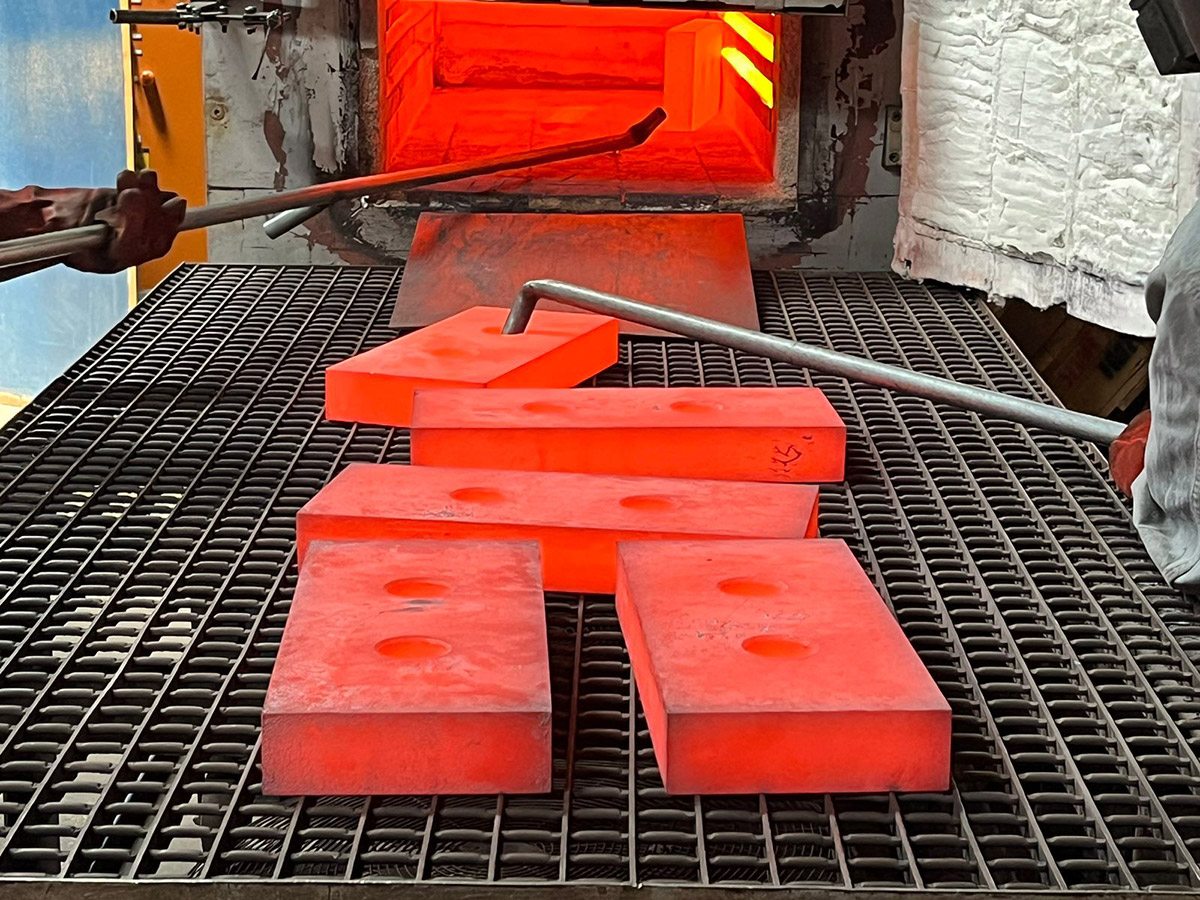
BladeMakers SA does their own heat treatment
“Bandsaw blade manufacture is also a big industry. Again, used in the meat processing industry. And even though laser cutting has made some gains, bandsaw blades are still used extensively to cut hollow and solid metal bar as well as metal tubes and pipes. There are three main types of bandsaw blade teeth: regular, hook and skip. Regular-tooth bandsaw blades are the most common type. They have straight faced teeth that are evenly spaced and deep gullets. They are also used to cut timber and plastic. And don’t forget there are jigsaw blades that are used widely too.”
Concentrate on industrial blades and knives
“We decided to concentrate on manufacturing industrial blades and knives that are used for the timber, paper, metal and recycling industries. The recycling industries include both metal scrap processing companies and plastic recycling companies.”
“BladeMakers SA is a family business that was started by my late Dad Rodney in 2000. At the time of his untimely passing due to Covid related symptoms he had had 50 years of experience in the steel manufacturing industry with 30 of those in the blade manufacturing industry. This company has been built on his dream and legacy and I have had to fill big shoes.”

Blades packaged and ready to be delivered
“Fortunately, I had been part of the business for 20 years and could successfully take over the running of the company and we are now in our 25th year of existence so we have a bit of pedigree and experience to move forward positively with our customers.”
“There have been changes on the production floor since 2021, all of them to improve flow and quality control. Well trained production staff and the strictest of quality control measures ensure that all blades manufactured by BladeMakers SA meet the most stringent industrial requirements and keep us known as a manufacturer and supplier that you can trust to deliver industrial blades that you can rely on.”
“For decades, manufacturing companies have relied on industrial blades to complete their work. Blades are an essential part of the process because different procedures require a specific type and quality of blade that is durable enough for heavy-duty tasks like cutting thick materials or slicing through thin pieces.”
BladeMakers SA can manufacture any blade up to 5 metres in length and can sharpen any blade of up to 8 metres in length
“The manufacture of industrial blades and knives involves various processes and materials to create cutting tools for diverse applications. These processes often include cutting, heat treatment, and grinding to achieve the desired shape, strength, and sharpness.”
“The best manufacturers are those who are constantly working on the design and quality standards of their blades. This will involve not only using the most creative design processes and technologies but also using the best tool steels available, and sometimes a combination of materials, to increase their strength.”
“For manufacturers, reliable cutting solutions are essential. That’s why the supplier you choose really does make all the difference. The blades must not only meet your needs but be customised to suit your machines. Not all suppliers can do this.”
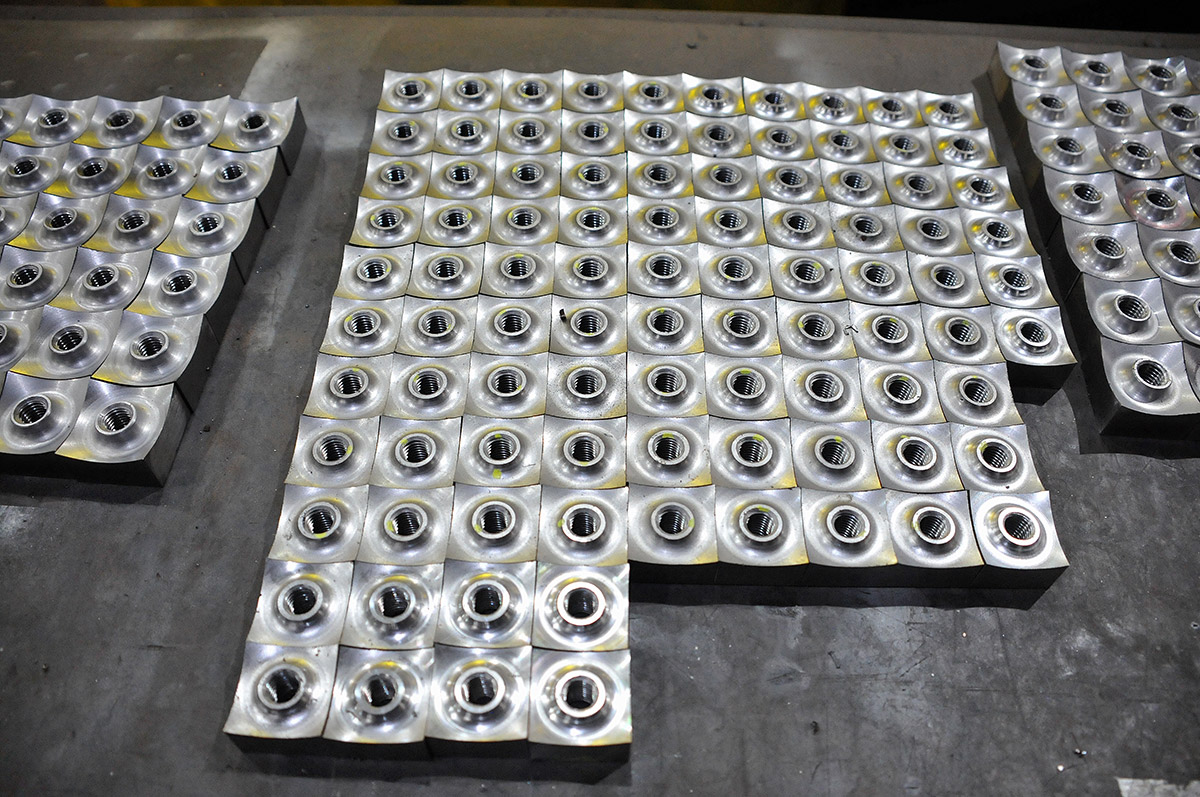
Blades come in all shapes and sizes and quantities
“Our design team place a huge amount of effort and resources into designing premium quality blades that are not only customised to meet your machine needs but are designed to maximise performance and longevity.”
All of these things are carefully considered before production begins. When they arrive with our customers, there’s no second-guessing as to whether they will operate as expected, our customers have complete peace of mind, knowing what to expect, a seamless production line with blades that deliver consistent results time after time.”
“Common materials include carbon steel, stainless steel, tool steel, and alloy steel. The choice of material depends on the specific application and required properties like strength, wear resistance, and corrosion resistance.”
“The material is cut into the desired blade shape using methods like blanking, shearing, or laser cutting. Some blades are also forged to shape.”

Blades in various stages of processing
“In our case we make use of 6 CNC machines and 10 conventional lathes and mills. We find that CNC machining produces 100% accurate machine blades and knives. This method is also four times faster than other conventional methods, thus providing a faster turn over time.”
“The CNC machines as well as the conventional machines are also used to assist with breakdowns and non-standard parts.”
“All products are also put through the heat treatment process, which includes quenching and tempering. This process strengthens the steel and enhances its hardness and wear resistance.”
“Precision grinding is crucial for achieving the desired edge profile, sharpness, and surface finish. Industrial blades often require sharpening to maintain their cutting performance, and various techniques are used to sharpen them to precise specifications.”

“In our case we make use of 6 CNC machines and 10 conventional lathes and mills. We find that CNC machining produces 100% accurate machine blades and knives. This method is also four times faster than other conventional methods, thus providing a faster turn over time.”
“Some blades are coated with materials like tungsten carbide to improve their wear resistance and lifespan. Finishing may involve polishing, deburring, and other processes to ensure the blade is free of defects and ready for use.”
“All of our industrial blades and knives are manufactured entirely in-house. With the acquisition of a brand-new factory, a new state-of-the-art heat treatment and coating plant and grinding machinery we are ready for the future and have unprecedented capacity. Delivering a professional, service driven product will always remain our focus and our customers will always be our top priority.”
“We are situated in Benoni, Gauteng and the factory consists of three buildings totalling about 1 000m² under roof. We can manufacture any blade up to 5 metres in length and can sharpen any blade of up to 8 metres in length.”
“With grinding capacity up to 8 metres we are able to sharpen sizeable guillotine blades, chipper blades and granulator blades with exceptional accuracy.

All six of BladeMakers SA’s CNC machines are manufactured by Victor Taichung
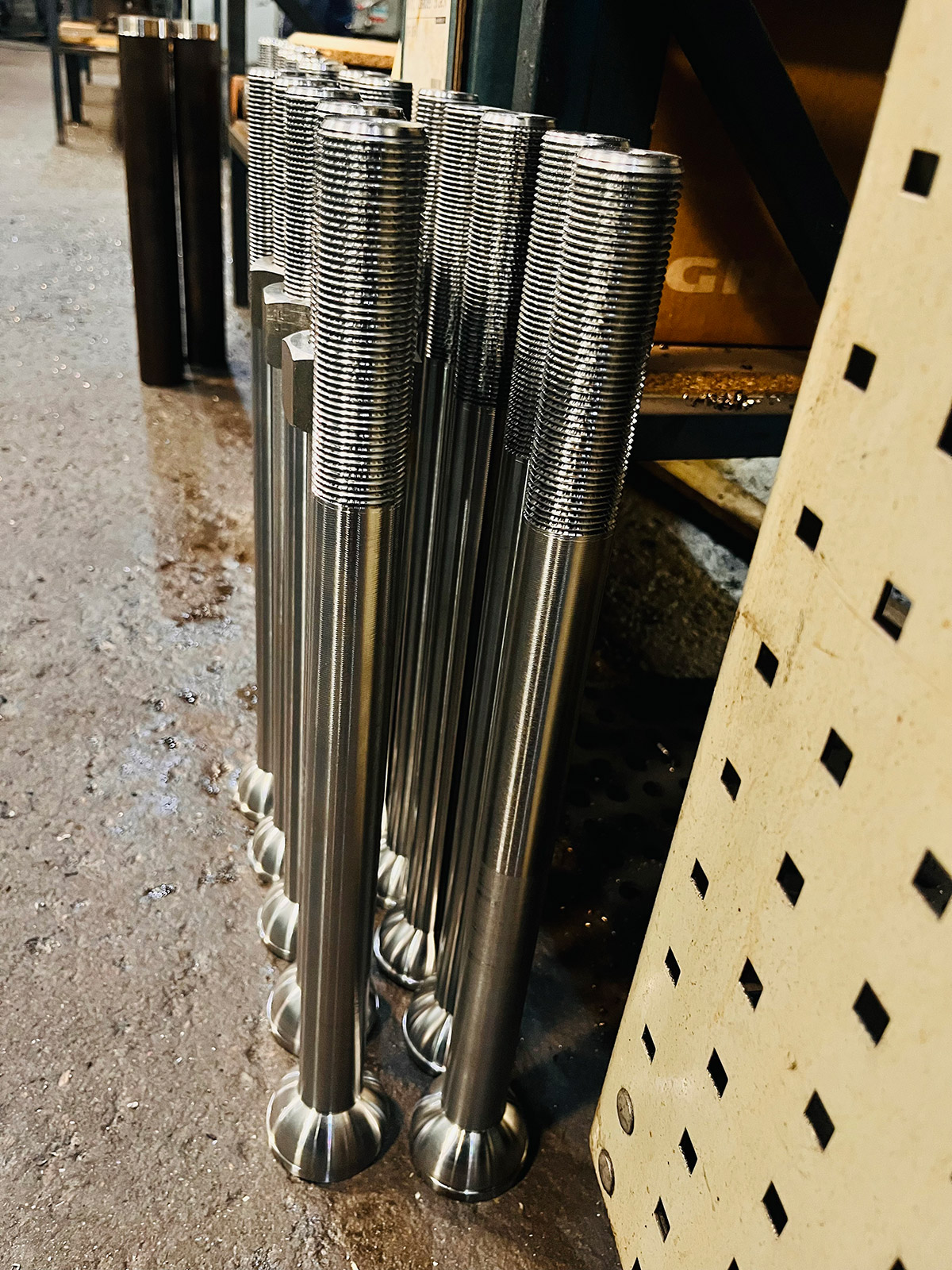
“Many blades require the use of specialised bolts for clamping and fitment. We manufacture these OEM bolts to secure the blades on machines which are mainly used in the scrap metal, wood chipping and granulation industries.”
“And our expertise is not limited to the manufacture of blades and knives. Wear parts such as blade seats, wedges and anvils are manufactured to the same exacting standards as our blades and knives.”
“For heat treatment we have multiple furnaces with a capacity of up to 5 metres. This ensures batch loading and uniformity in all our blades.”
“For the timber industry we design and manufacture long-lasting blades and accessories according to your needs. These include chipper knives, anvils and wear parts.”

Common materials used to manufacture the blades include carbon steel, stainless steel, tool steel, and alloy steel. The choice of material depends on the specific application and required properties like strength, wear resistance, and corrosion resistance

BladeMakers SA have recently invested in a TA 12kW open table fiber laser with a bed size of 3 000mm by 1 500mm that was supplied by Lind SA
“In the plastic and plastic recycling industry blades are manufactured for plastic powderisers, plastic shredding and extruder dies as well as granulator blades and bailer blades.”
“Scrap metal processing blades for the ferrous materials include shear blades, guillotine blades, slitter knives and bailer blades. For non-ferrous materials we manufacture granulator blades, super chopper blades, slitter knives and bailer blades.”
“We are also now manufacturing product for the print and paper industries. This includes guillotine blades and knives and slitter knives.”

BladeMakers SA have recently installed a coating plant
TA 12kW fiber laser
“We have recently purchased a TA 12kW open table fiber laser with a bed size is 3 000mm by 1 500mm from Lind SA. It has only just been installed in June 2025. We are looking forward to it adding value to cutting blanks.”
“The blade, regardless of its intended application, should be manufactured from a suitable material. It’s vital that this tool steel is of a high-enough hardness to withstand prolonged use and provide many cycles of unimpeded cutting performance. You need blades and knives which can be easily removed and reinstalled without causing excessive downtime for your processing operations. As such, it’s important that you work with a knife and blade manufacturer and supplier that is able to manufacture blades that are suitable for your particular processing machines,” concludes Shepherd.
For further details contact BladeMakers SA on TEL: 011 420 2583 or visit www.blademakers.co.za

